JIANTAIJIANTAI MachineryPlastic Machinery · Since 2005
中文EN
Contact Us
Home/Products/Plastic Pelletizing Machine
01Pelletizing Line

Plastic Pelletizing Machine

Designed for plastic recycling and compounding across PE, PP, PET and more. Single- and two-stage configurations with automatic feeding and venting for uniform plasticizing and stable, efficient output.

PE/PP RecyclingSingle/Two-stageHigh Output
Request a Quote →← Back to products
Plastic pelletizing line
Specifications (customizable)
Material
PE · PP · PET · PA · ABS
Output
300 – 1000 kg/h
Cutting
Water-ring / Air / Strand
Configuration
Single / Two-stage
Drive motor
Servo motor 55 – 250 kW (~30% saving)
Highlights

JIANTAI pelletizing machines are engineered for plastic recycling and modification, keeping the entire process — feeding, plasticizing, venting and pelletizing — stable and controllable. The modular design adapts to different materials and capacities, balancing high output with low energy consumption while maintaining consistent pellet quality over long continuous runs.

Output 300–1000 kg/h, customizable
Water-ring / air-cooling / strand cutting
Energy-saving heating & stable feeding
Servo motors as standard — ~30% energy saving
Applications

From recycling to compounding — across diverse materials

JIANTAI pelletizers run reliably across these recycling and regranulation scenarios.

01

Waste plastic recycling

Re-pelletize washed PE/PP film and rigid scrap for a closed material loop.

02

Modified regranulation

Add fillers and additives to lift mechanical performance.

03

Agricultural & packaging film

Forced feeding and multi-stage venting for high-moisture film.

04

Injection scrap recovery

Crush and re-pelletize in-house scrap to cut material cost.

05

PET flake pelletizing

Crystallize, dry and pelletize for fiber and strapping.

06

Engineering plastics

High-torque, precise-temperature pelletizing for PA, ABS.
Gallery
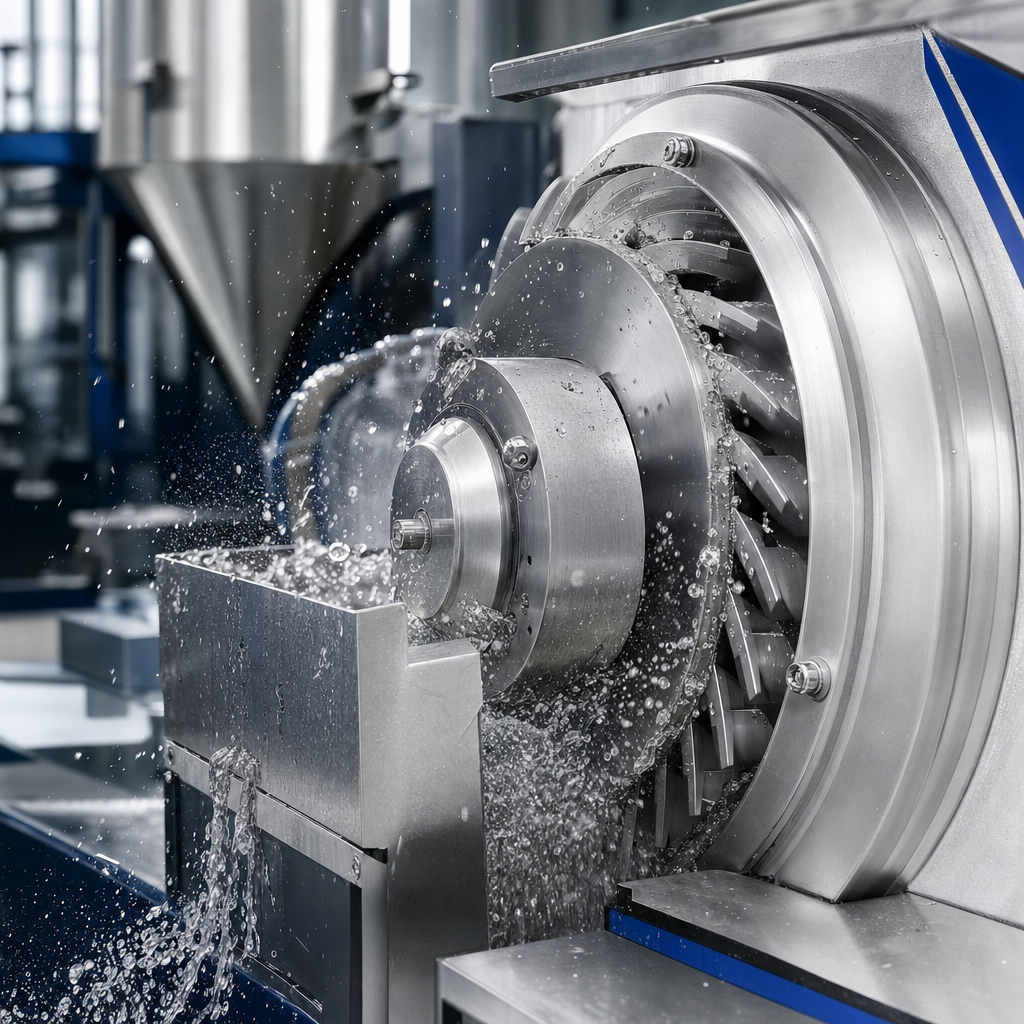
Water-ring pelletizing cutter close-up
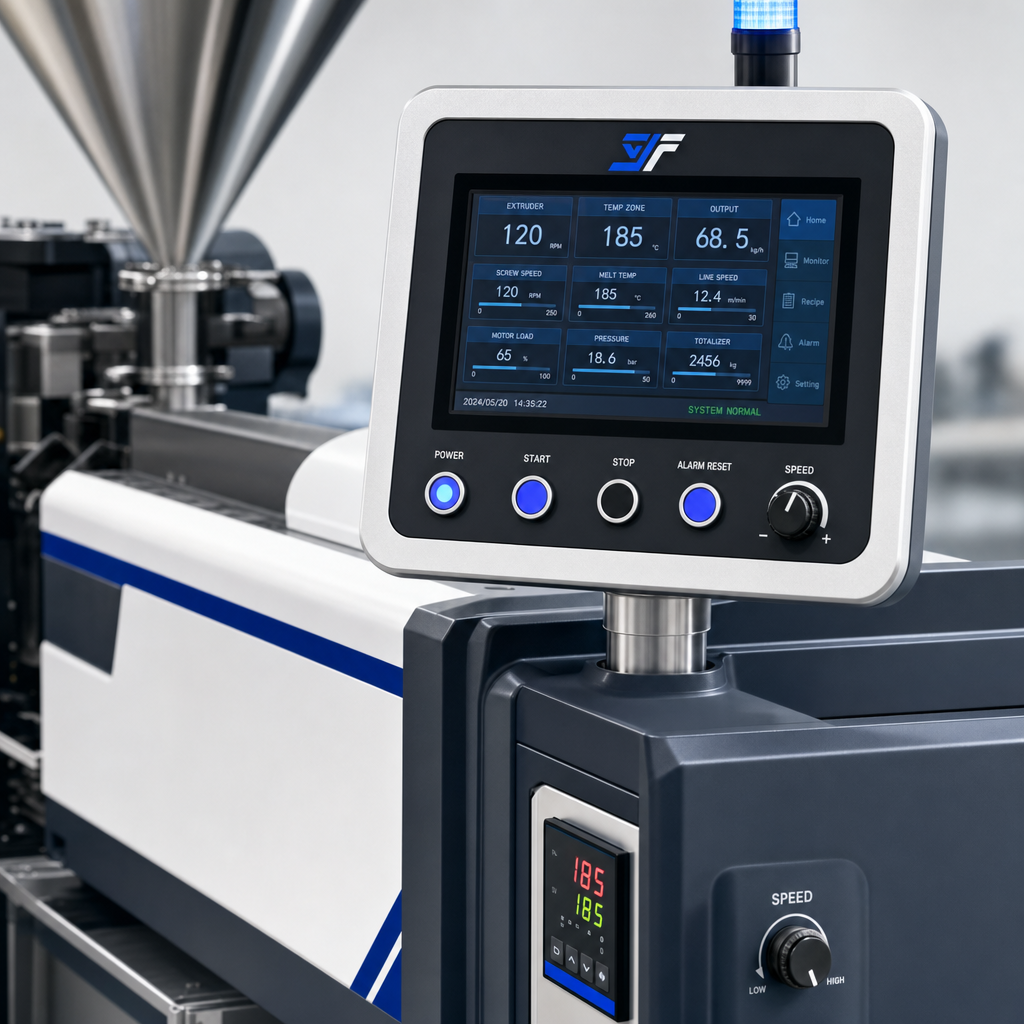
Pelletizer digital control panel close-up
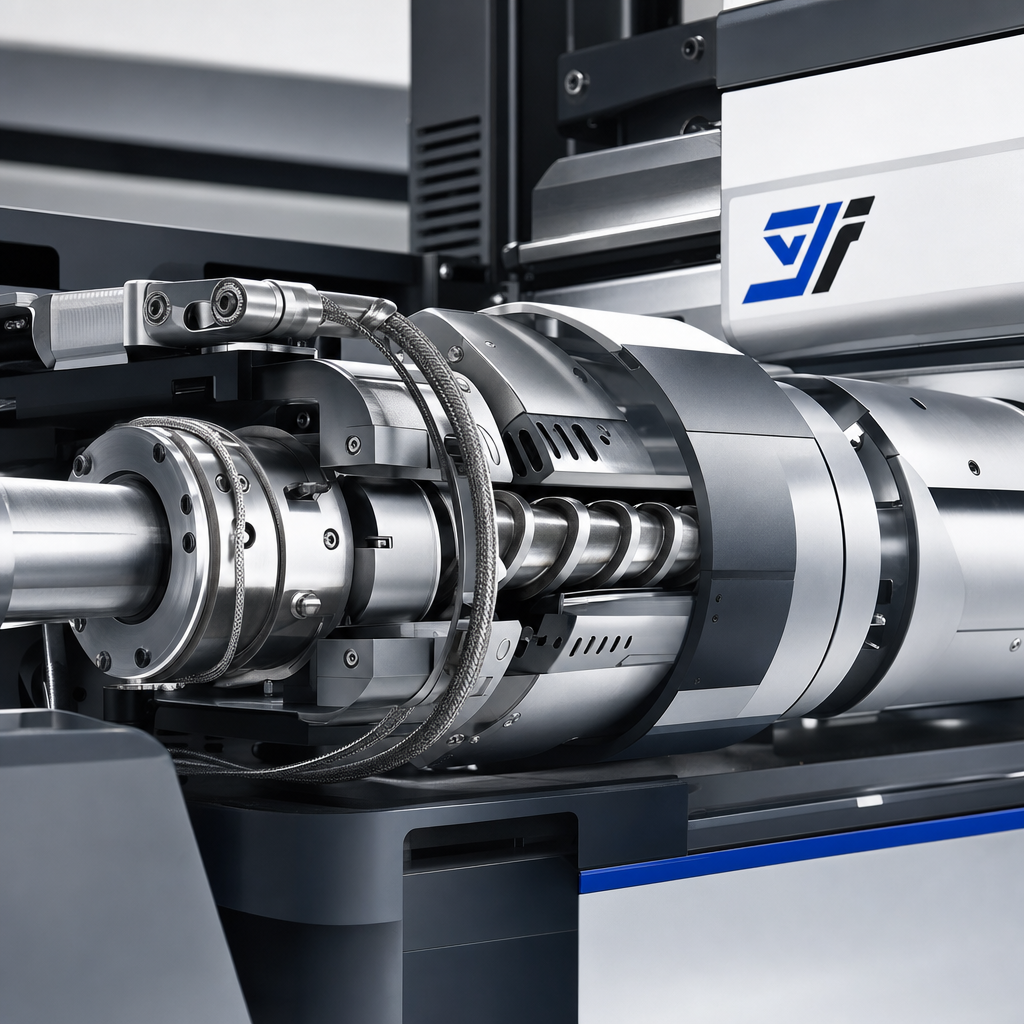
Pelletizer screw and heated barrel close-up
Other Products
Extrusion SystemPlastic ExtruderView Details →Auxiliary UnitsAuxiliary EquipmentView Details →
Pelletizer Knowledge

Everything you need to know about plastic pelletizing machines

From working principles and machine selection to routine maintenance, we have gathered the common questions about plastic pelletizing machines to make sizing and operation easier.

What is a plastic pelletizing machine?
A plastic pelletizing machine heats and plasticizes plastic feedstock or recycled plastic, extrudes it, cools it and cuts it into uniform pellets. Widely used for plastic recycling and modification, it turns waste film, hard scrap and injection trim back into reusable plastic pellets — a core machine for plastic recycling.
What pelletizing (cutting) methods are available?
Three common methods: strand cutting (strands cooled in a water trough then cut — simple, suited to most materials), water-ring cutting (a rotating blade at the die head cuts while water cools — high output, uniform pellets), and air-cooled hot cutting (suited to low-density films such as PE). JIANTAI recommends the right method for your material and capacity.
What is the difference between single-stage and two-stage pelletizers?
A single-stage machine uses one screw for plasticizing and extrusion — simpler and compact, suited to cleaner materials. A two-stage machine adds a second venting/extrusion stage, giving more thorough degassing and filtration — ideal for high-moisture or contaminated recycled material, with more stable output quality.
Which materials can it process?
JIANTAI pelletizers handle PE, PP, PET, PA, ABS and more, processing recycled materials such as agricultural and packaging film, woven bags, injection trim and bottle flakes, as well as filling and modification pelletizing. Screw configuration, venting and filtration are tailored to each material.
How do I choose the right capacity?
Consider hourly throughput (JIANTAI models cover roughly 300–1000 kg/h), material type and moisture content, and the intended use and quality of the finished pellets — alongside your current line and future expansion plans. Our engineers can run free trials with your material and advise on selection and line planning.
Why does a standard servo motor save more energy?
A servo motor adjusts its output in real time to match the load, avoiding the constant full-load draw of conventional motors. Combined with optimized heating and drive systems, the machine saves about 30% energy — significant over long continuous runs and helpful for lowering energy cost per unit of output.
What are the routine maintenance points?
Regularly clear residual material from the screw and barrel, check the heater bands and temperature control, keep cutter blades sharp and water channels clear, periodically lubricate the gearbox and bearings, and inspect electrical and emergency-stop safety devices. Proper maintenance extends machine life and keeps pellet quality stable.

Let us tailor a turnkey solution for your line

Tell us your product and capacity — engineers reply within 24h.

Contact Us →